Antonio Foscarelli
Antonio Foscarelli is a naturalized Italian-American traveling second-class on the Orient Express, a Ford motor car agent whose sunny, voluble exterior conceals a deep personal connection to the Armstrong tragedy. He is one of the twelve passengers who, as a self-appointed jury, carry out the execution of Samuel Edward Ratchett, the man who kidnapped and murdered three-year-old Daisy Armstrong.
Identity and Background
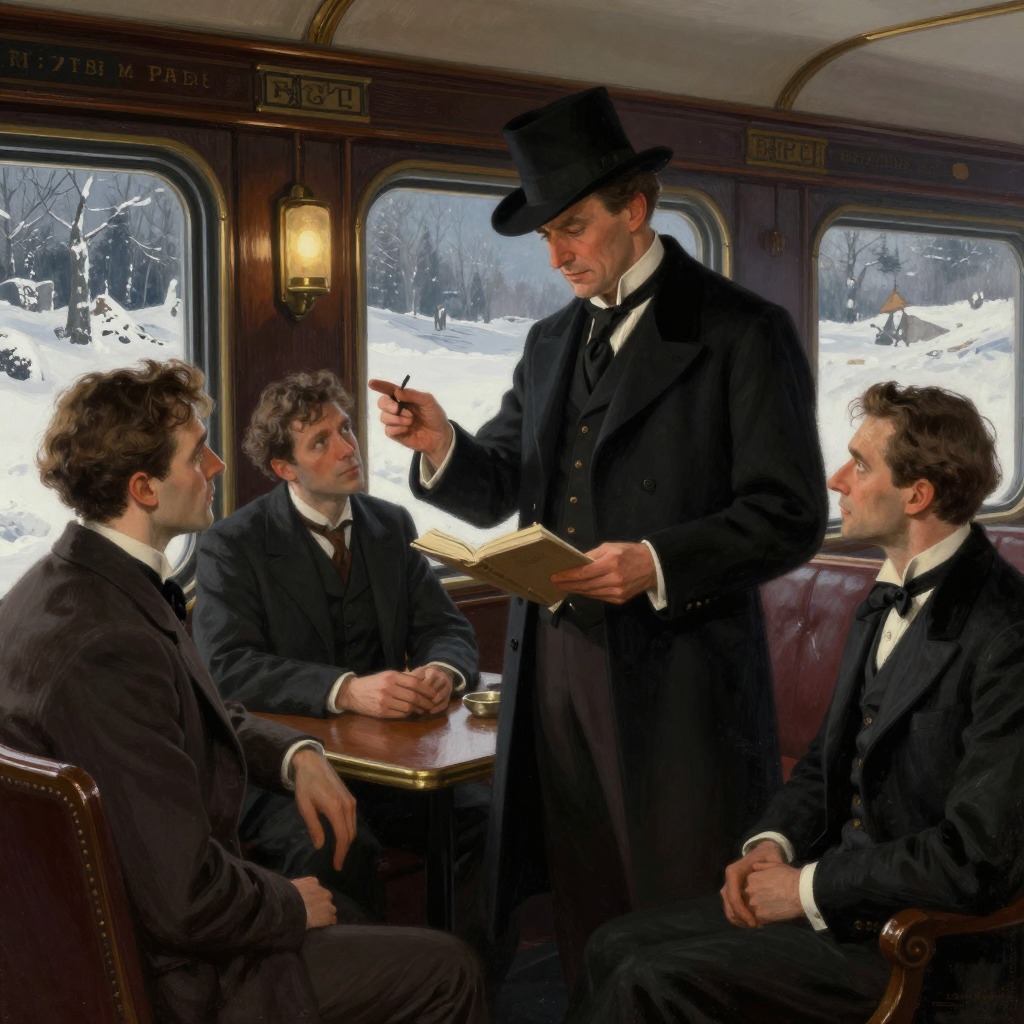
Foscarelli is a big, swarthy Italian with a cat-like tread and a beaming, good-natured face. He speaks French fluently with only a slight accent and has lived in the United States for the past ten years, working as a salesman for Ford motor cars. He is a naturalized American citizen. During the investigation, he initially presents himself as a successful businessman, volubly describing his sales methods, his journeys, and his opinions of the United States and Europe. He claims never to have met Ratchett before, but says he recognizes the type: a big crook underneath a respectable surface. He is sharing a second-class compartment (Nos. 4 and 5) with Edward Henry Masterman, Ratchett's valet.
Role in the Armstrong Household and the Conspiracy
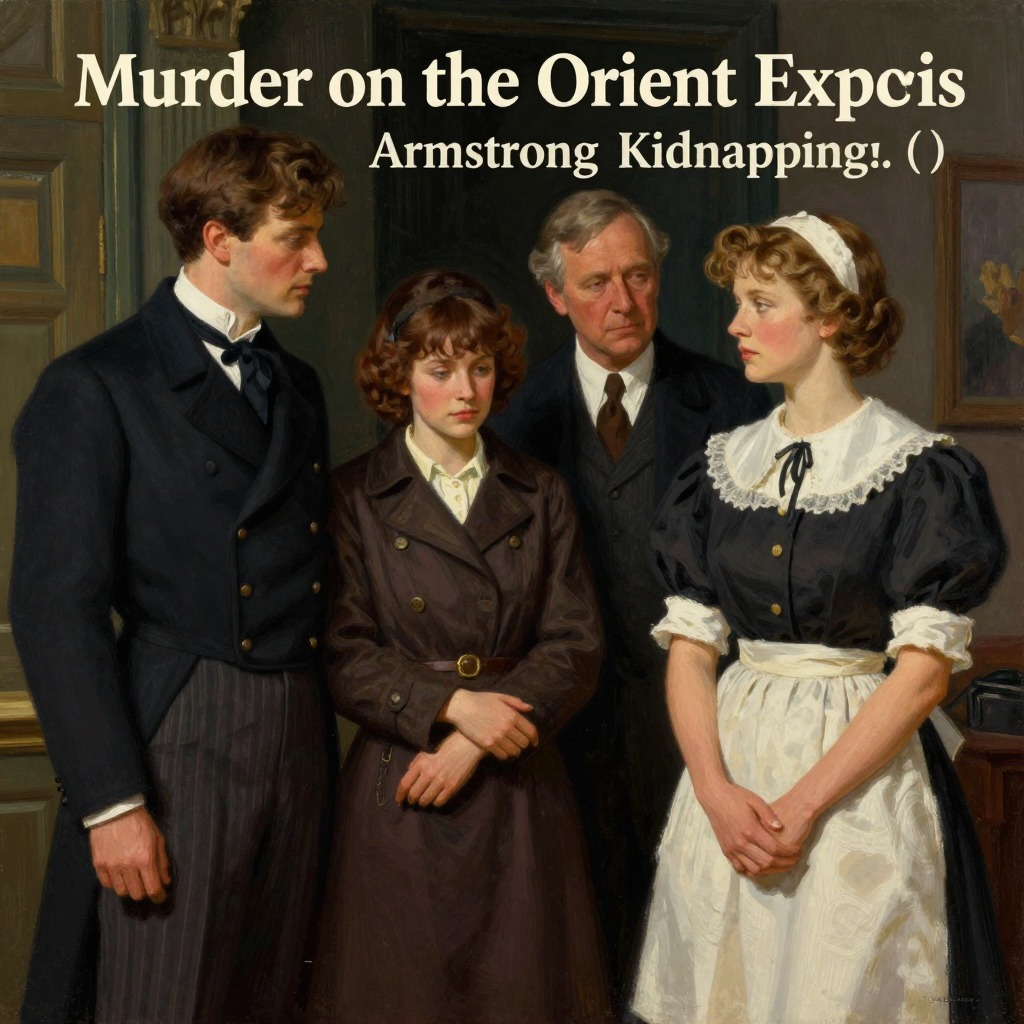
Foscarelli was the chauffeur in the Armstrong household in New York. He was devoted to little Daisy Armstrong, who called him "Tonio" and would sit in the car pretending to hold the wheel. He describes her as "the delight of the house" and says all the household worshipped her. When Poirot confronts him, Foscarelli breaks down, admitting his connection to the Armstrong case. He had lied about his identity for business reasons, fearing the Jugo-Slav police would not give him justice. It was Foscarelli who originally suggested the method of the murder: that each of the twelve conspirators should stab Ratchett in turn, rather than drawing lots for a single executioner. This idea, born from the collective grief and rage following the Armstrong tragedy, became the central mechanism of the plot.
Alibi and Evidence
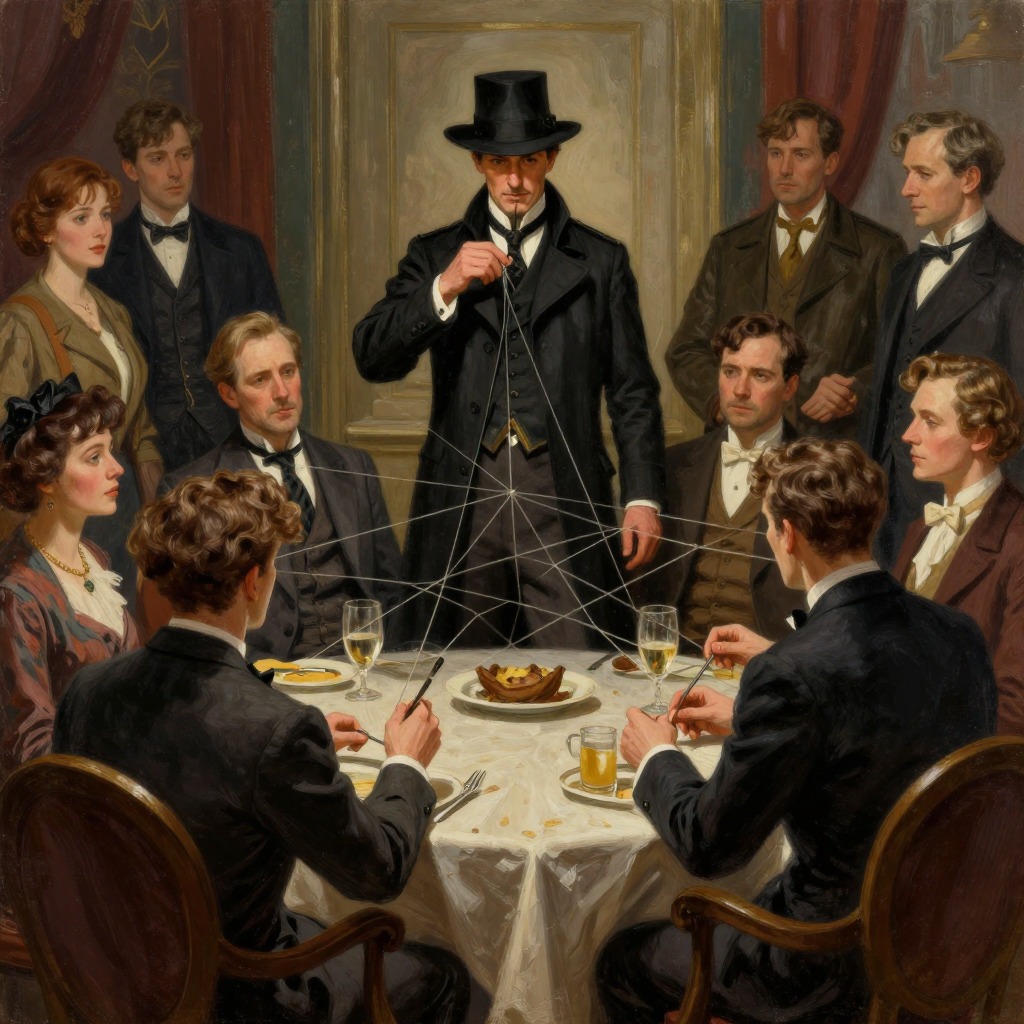
Foscarelli's alibi for the time of the murder is provided by Masterman, who swears that the Italian never left their compartment during the night. Masterman, who had the toothache and lay awake groaning, confirms that Foscarelli remained in his upper berth, smoking and reading, and later sleeping. This alibi is crucial, as it appears to clear Foscarelli of any direct involvement. However, Poirot later realizes that the alibi is part of the carefully constructed mosaic: Masterman and Foscarelli are both members of the conspiracy, providing mutual cover. The only evidence against Foscarelli, aside from his connection to the Armstrong case, is the nature of the weapon—a knife—which M. Bouc insists is typical of an Italian crime. Poirot dismisses this as racial prejudice, noting that the crime shows the marks of a cool, Anglo-Saxon brain, not a Latin one.
Confession and Thematic Significance
When Poirot reveals his knowledge of Foscarelli's past, the Italian's bluster collapses. He admits his role in the Armstrong household and his hatred for Ratchett, but insists he had nothing to do with the murder. He expresses fear that he will be framed by the police. His emotional confession, in which he speaks of Daisy with genuine tenderness, underscores the depth of the personal loss that drives the conspiracy. Foscarelli represents the working-class members of the Armstrong household—the loyal servants who, like the family itself, were devastated by the crime and who found in collective vengeance a form of justice that the legal system had denied them. His presence on the train, like that of the others, is not coincidence but design, part of the elaborate plan to execute Ratchett and then disappear into the anonymity of international travel.